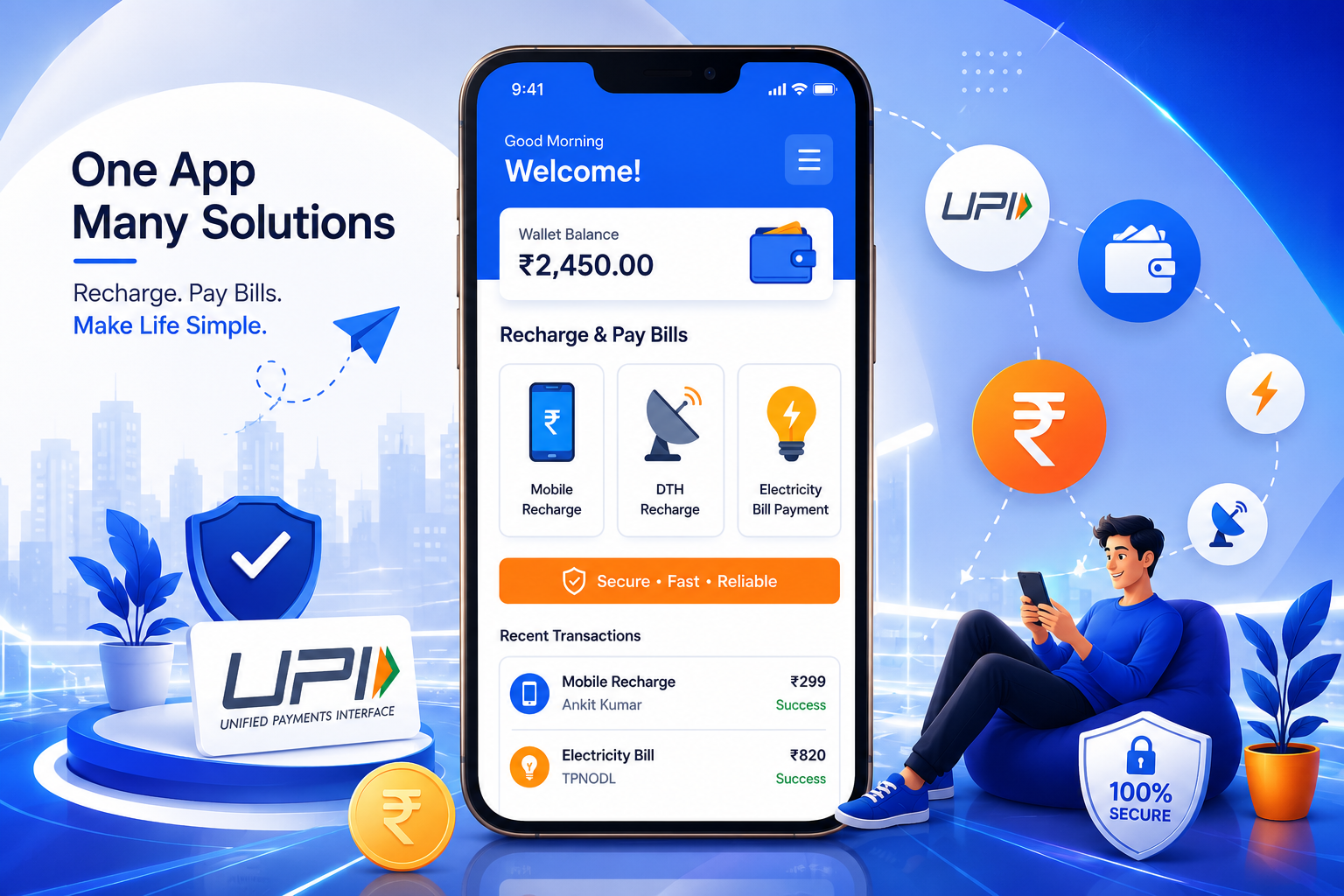
How to Start a Multi Recharge Business in 2026: The Complete B2B Guide
If you're looking for a business that doesn't demand a huge upfront investment but still offers strong, recurring income potential, a multi recharge business is one of the most underrated opportunities available right now. Every single day, millions of people across India recharge their mobile phones, pay electricity bills, clear DTH dues, or make some kind of utility payment — and that demand isn't slowing down anytime soon.
But here's the catch: starting a multi recharge business in 2026 isn't the same as it was five or six years ago. The market has matured, customers expect app-based experiences, and simply having a basic recharge portal isn't enough to compete anymore.
In this guide, we'll walk you through exactly what it takes to start and scale a multi recharge business the right way — from a B2B perspective.
What Is a Multi Recharge Business, Exactly?
A multi recharge business means offering a single platform (app or website) where customers or retailers can complete multiple types of recharges and bill payments — mobile prepaid/postpaid, DTH, electricity, gas, broadband, and sometimes even travel bookings or insurance premium payments.
The B2B model works a little differently than a typical B2C recharge app, though. In a B2B setup, you're not targeting individual end customers directly. Instead, you're building a network of retailers and distributors who use your platform to process recharges on behalf of their own customers, earning a small commission on every transaction. This is exactly how the leading multi recharge platforms in India operate today.
Why 2026 Is a Good Time to Get Into This Business
The digital payments space in India keeps expanding every year, and it shows no signs of slowing down. Here's why now is a genuinely good time to start:
- UPI adoption has made transactions faster and more trustworthy, even for small retailers in tier 2 and tier 3 cities
- Rural and semi-urban markets are still underserved when it comes to reliable recharge platforms, meaning there's less competition there
- AI integration is becoming a real differentiator — platforms that predict recharge patterns or send automated reminders are earning more retailer trust
- Retailers are actively looking to diversify income, and adding recharge services alongside an existing shop (kirana store, mobile shop, etc.) is an easy add-on for them
Step-by-Step: How to Start Your Multi Recharge Business
Step 1: Register Your Business
Before anything else, get your business properly registered — this could be a sole proprietorship, partnership, or private limited company, depending on how big you plan to scale. You'll also need GST registration, since you'll be handling financial transactions.
Step 2: Partner With a Recharge API Provider
This is one of the most important decisions you'll make. Multi recharge platforms work by integrating with recharge API providers that give you access to telecom operators, DTH companies, and utility providers through a single API. Choosing a reliable API partner with good uptime and fast settlement is critical — frequent failed recharges will destroy retailer trust quickly.
Step 3: Build (or Get Built) Your Platform
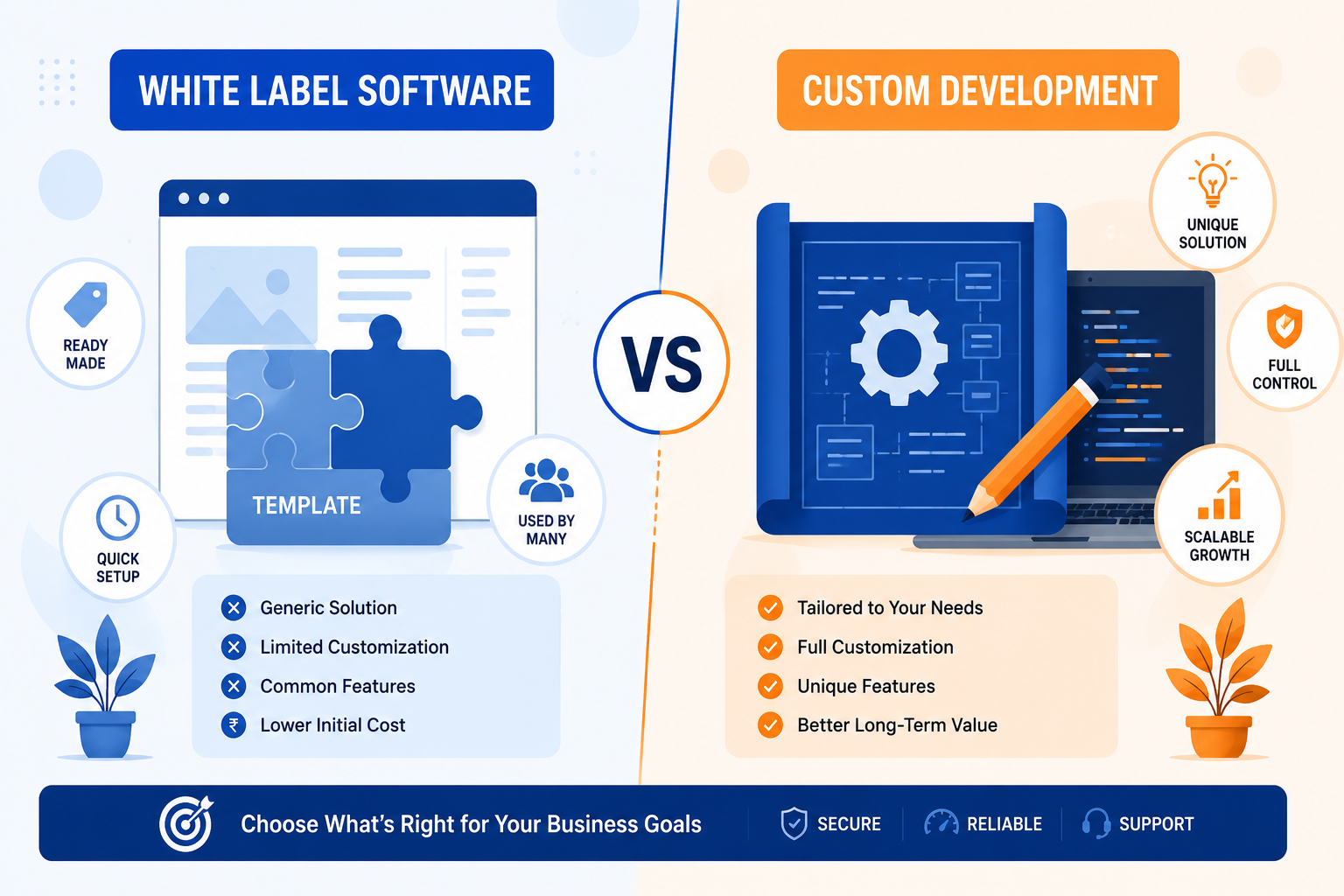
This is where most businesses get stuck. You essentially have two options:
- Use existing white-label recharge software — faster to launch, but limited customization
- Get a custom multi recharge app/website built for your specific business — more control, better branding, and the ability to add features your competitors don't have
For businesses serious about long-term scaling, custom development usually wins out. It lets you build features around what your retailer network actually needs — custom commission structures, automated reports, retailer wallets, and multi-language support.
Step 4: Set Up Payment Gateway Integration
Your platform needs a secure payment gateway so retailers can load wallet balances and start transacting. This step is often overlooked, but it's one of the most important — a smooth, secure, and fast payment gateway directly affects how much retailers trust your platform with their money.
Step 5: Build a Retailer Onboarding System
Since your B2B model depends on retailers using your platform daily, a simple onboarding process matters a lot. A complicated KYC process or slow approvals will just push retailers toward competitors. Ideally, retailers should be able to register, complete KYC, and start transacting within the same day.
Step 6: Design a Competitive Commission Structure
Retailers join platforms that offer better margins — it's that simple. Design a commission structure that's competitive in the market while keeping your business sustainable. Many successful platforms also add slab-based commissions or bonus incentives for high-volume retailers to keep them engaged.
Step 7: Market to Build Your Retailer Network
Once your platform is ready, the real work of growing a retailer base begins. This usually involves:
- Local marketing in mobile shops, kirana stores, and small business hubs
- Referral programs where existing retailers bring in new ones
- Digital marketing to reach retailers online who are looking to switch platforms
- Building trust through fast support and reliable transactions (word of mouth is huge in this business)
Common Mistakes to Avoid
- Choosing an unreliable API provider just because it's cheaper — failed transactions destroy retailer trust fast
- Ignoring the mobile app experience — many new businesses still launch only a website, but most retailers prefer using an app on their phone
- A weak reconciliation system — if your platform can't clearly track every transaction and settlement, disputes with retailers become a nightmare
- No proper customer support system — retailers need quick resolution when a recharge fails or money gets stuck; delays here directly cost you retailers
- Skipping security measures — since this is a financial platform, weak security can lead to fraud, which is extremely costly to fix later
Where AI Fits Into Multi Recharge Businesses in 2026
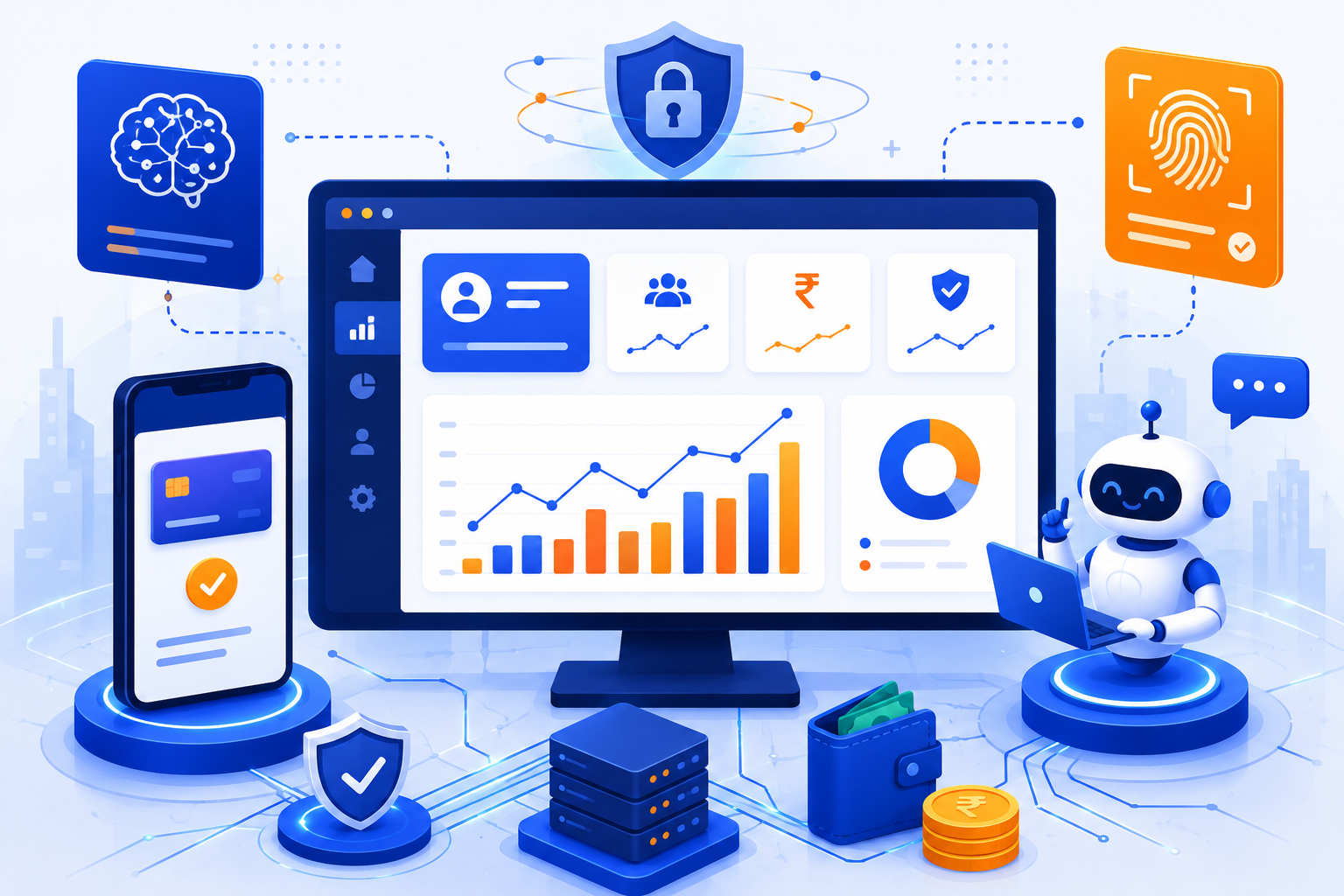
AI is becoming more relevant to this space every year. Here's how it's being used in multi recharge platforms today:
- Predicting when a retailer or customer is likely to recharge again, and sending automated reminders
- Detecting unusual transaction patterns that could indicate fraud
- Chatbots that handle basic retailer queries instantly instead of making them wait for support
- Smart reporting dashboards that highlight underperforming retailers so you can re-engage them
Platforms integrating AI into their recharge business now are setting themselves up to stay well ahead of competitors still running on basic legacy systems.
Conclusion
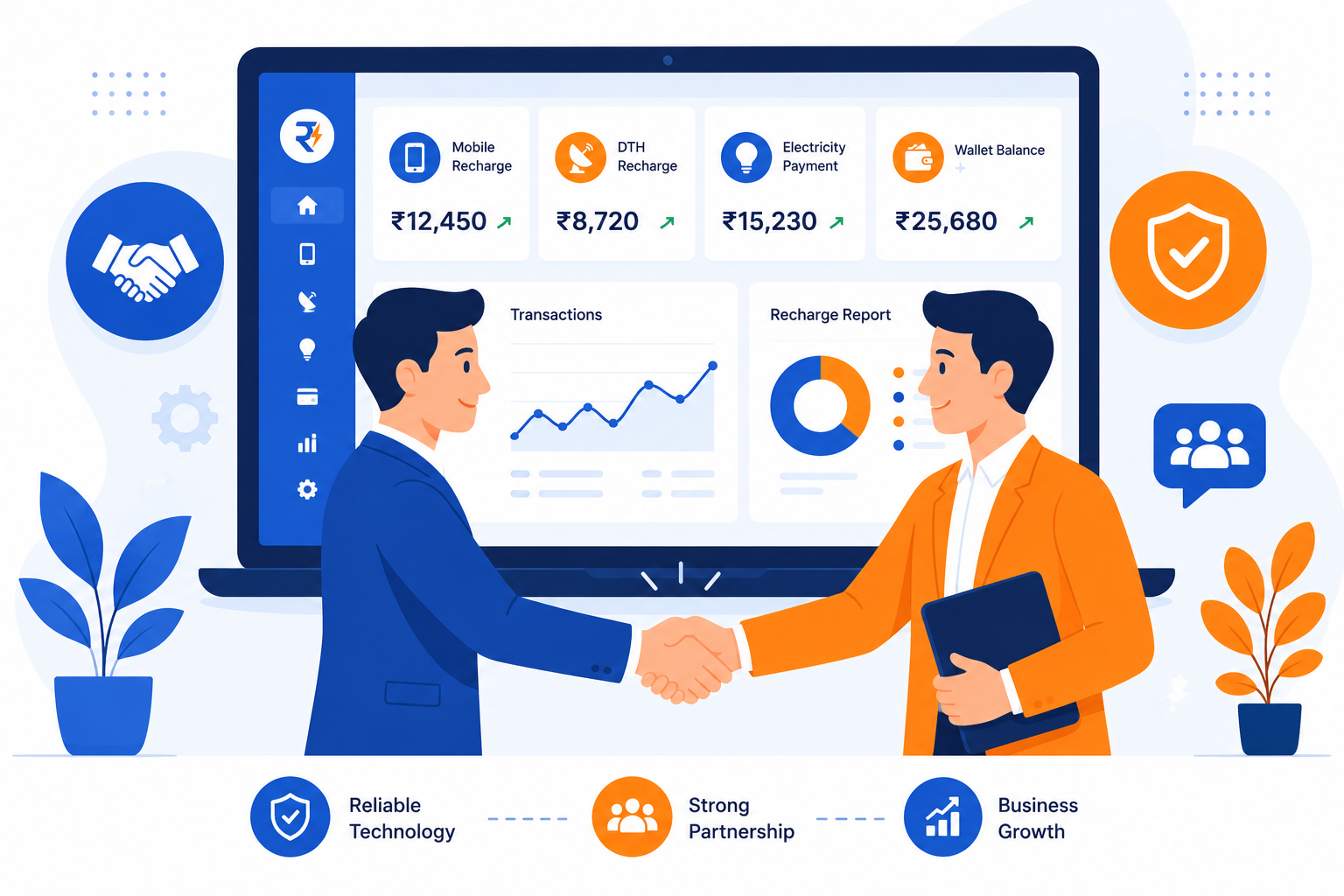
Starting a multi recharge business in 2026 is absolutely doable, but it requires thinking beyond just "another recharge app." The businesses succeeding right now are the ones focused on reliability, retailer experience, and using smart technology like AI to stand out.
At HNB IT Solutions, we specialize in building custom multi recharge platforms with secure payment gateway integration, AI-powered features, and retailer management systems designed around how your business actually works. If you're serious about starting or upgrading your multi recharge business, we'd be happy to walk you through what a custom solution could look like for you.
Get in touch with our team to discuss your multi recharge business idea.
Frequently Asked Questions
Q1. Is a multi recharge business profitable in 2026? Yes, it can be — especially in the B2B model, where you build a retailer network. The key is having a reliable platform and a competitive commission structure so retailers stay loyal.
Q2. Do I need technical knowledge to start this business? Not necessarily. You can partner with a software development company to build and manage the technical side while you focus on business growth and retailer network building.
Q3. Should I go for white-label software or custom development? It depends on your goals. White-label software is faster to launch, but custom development gives you more control, unique features, and better long-term scalability as your business grows.
Q4. How important is the API provider I choose? Extremely important. A reliable API provider directly affects your transaction success rate, which is the single biggest factor in whether retailers trust and stick with your platform.
Q5. Can AI really make a difference in a recharge business? Yes — especially for fraud detection, automated retailer engagement, and support automation. Platforms using AI features are increasingly seen as more trustworthy and efficient by retailers.